
Care Tips for Your Pocket Pets
Do you have a guinea pig, hamster, gerbil, mouse, rat, ferret or rabbit? Called "pocket" pets due to their small size, these pets have a few special care requirements. Here's what you need to know about caring for your special pet.
Choose a Sturdy Cage for Your Pet
The ideal cage provides plenty of room for your pet to move and explore, yet is safe and secure. If the latch on your pet's cage doesn't close properly, you might return to an open cage in the morning. Unfortunately, small pets may become prey for cats or dogs or may hurt themselves if they're out of their cages without supervision. If the latch is difficult to work or doesn't catch completely, replace the cage with a more secure version.
Cages should also:
- Offer Exercise Opportunities for the Smallest Pets. An exercise wheel offers the perfect place for your hamster, mouse, gerbil or rat to work off a little excess energy. The Spruce Pets notes that wheels aren't a good idea for guinea pigs, as back injuries can occur when these pocket pets use the wheels. Climbing tubes and tunnels added to cages provide exercise and keep your pet's brain engaged.
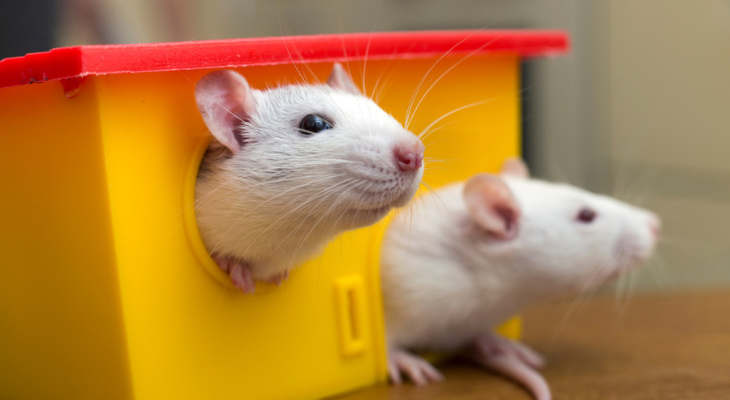
- Provide Hiding Places. Just like you, pets like their privacy from time to time. Every cage should include an enclosed structure that offers a quiet place to sleep or enjoy a little downtime. Pet supply stores offer a variety of these enclosures, called "hideouts."
Don't Use Cedar or Pine Shaving as Bedding
Both cedar and undried pine shavings can cause respiratory infections and irritate your pet's eyes. Safer choices are bedding made of cellulose, paper, oat hulls, ground corn cobs or aspen shavings.
Clean Cages Regularly
Don't wait until your pet's cage is smelly to clean it. Living in a dirty cage is stressful for your pet and could cause health problems. Cages should be cleaned once or twice per week. The ideal cleaning frequency depends on how many pets you have and how quickly the cage becomes dirty.
Before cleaning, move your pet to another cage or secure location. Throw away bedding and thoroughly clean the cage with mild soap and water. In between cleanings, remove feces and areas of urine-soaked bedding daily.
Offer Out-of-Cage Playtime
All pocket pets benefit by spending an hour or more daily outside their cages. Since small animals, like gerbils, hamsters and mice, can quickly disappear behind furniture and appliances or even into air ducts, it's best to use a small pet playpen to create a secure play space.
Does your rabbit, ferret or guinea pig enjoy exploring your family room or kitchen? Before you open your pet's cage, make sure you've pet-proofed the space. Put electrical cords in cord protectors, remove trash, and place houseplants out of reach.
Rabbits are natural chewers and don't care if they gnaw on a chew toy or your antique table. Prevent damage to your home by covering furniture legs with protective tubes and placing plastic barriers in front of baseboards. Shut doors or use baby gates to keep pets confined to the room you've pet-proofed.
Make Regular Veterinary Care a Priority
Pocket pets need to see the veterinarian every year just like larger pets. Some pocket pets may need vaccines in addition to exams. For example, ferrets need distemper and rabies vaccines, while your veterinarian may recommend vaccinating your pet against rabbit hemorrhagic disease virus (RHDV). Vaccinations for RHDV and RHDV2 prevent a serious, often fatal illness in rabbits. According to PetMD, your pet could catch the virus if you bring it into your home on your shoes or clothing.
Since signs of illness aren't always obvious in pocket pets, annual veterinary visits help you ensure your pet is healthy. In between visits, regularly examine your pet's body for signs of illness or disease, which can include:
- Lumps on the Body
- Discharge from Eyes or Nose
- Hair Loss
- Excessive Scratching
- Low Energy Level
- Weight Loss
- Diarrhea
- Poor Appetite
Does your pocket pet need to see the veterinarian? Contact our office to schedule your appointment.
Sources:
The Spruce Pets: Guinea Pig Musts: Must Have and Must-Not Items, 4/20/2022
https://www.thesprucepets.com/product-guinea-pigs-must-have-2662211
PetMD: Rabbit Vaccines: Everything You Need to Know, 8/24/2022
https://www.petmd.com/rabbit/rabbit-vaccines-everything-you-need-know
American Animal Hospital Association: Is a Pocket Pet Right for Me?
https://www.aaha.org/your-pet/pet-owner-education/ask-aaha/is-a-pocket-pet-right-for-you/
PetMD: Hamsters vs. Gerbils: What’s the Difference
https://www.petmd.com/exotic/hamsters-vs-gerbils-whats-difference