Far Hills Animal Clinic Logo

Call Us Today

(937) 434-8224

Open mobile navigation
  • Home
  • About Us
    • Our History
    • Our Staff
    • The Katie Fund
  • Services
    • Appointments & Services
    • Surgery
    • Outside Services
      • Referral Veterinary Hospital & Services
      • Boarding Facilities & Pet Sitters
      • Dog Behavior & Training Facilities
      • Pet Loss & Grieving
  • Patient Center
    • What to Expect
    • Payment Options
    • Articles
    • Veterinary Resources
  • Online Store
  • Contact Us
  • Emergency
  • Home >
  • Articles >
  • Video Newsroom >
  • Other Interests >
  • How Pet Food Is Made

How Pet Food Is Made

  • Created in Video Newsroom, Other Interests
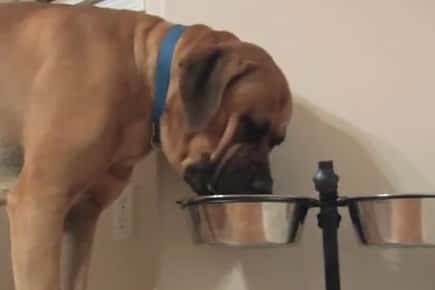
Image of dog eating out of its dog bowl.

Many pet owners are just as concerned about what goes into their pet's food as they are about their own food. With so many brands out there, how can a concerned pet lover know that they are feeding the best? How can we know what is going into our friends' diets?

With the health of their pets on the line, pet owners have shown an increased awareness and concern for how commercial pet foods are produced. Many are choosing alternative sources when providing nutrition for their pets.
There are more than 15,000 brands of pet food offered in the United States and the responsibility for insuring the safety of those foods lies with the FDA, the USDA and the American Association of Feed Control Officials (AAFCO). Consumers have choices ranging from dry kibble that provides convenience and a long shelf life to canned and semi moist foods that look good enough for humans to eat.

Through a combination of quality ingredient selection, proper compounding, and a cooking process that destroys harmful microorganisms and enzymes, pet food manufacturers help to insure the safety of the pet's food. The benefits derived from this attention to detail are evident in the extended longevity of our dogs and cats over the last few decades.

Home cooked meals have provided a strengthening of the human-animal bond for some pet owners, but veterinary experts agree that people should take time to discuss the possible concerns of this type of diet with their veterinarian. Nutritional deficiencies can be very common when feeding meals prepared at home. Whether discussing the merits of a particular diet or trying to decide which commercial food is best for your pet, the family veterinarian is still the best choice to help you make an informed choice.

  • Pet Health
    • Chronic Conditions
    • Digestive and Oral Health
    • Diseases and Viruses
    • Pests and Parasites
    • Orthopedics
  • Today's Veterinarian
  • Choosing Your Pet
    • Finding Your Pet
    • Cats
    • Dogs
    • Exotics
      • Amphibians
      • Birds
      • Reptiles
        • Lizards
        • Turtles
    • Small Mammals
      • Ferrets
      • Rabbits
      • Domesticated Animals
        • Prairie Dogs
      • Pocket Pets
        • Chinchillas
        • Guinea Pigs
        • Hamsters
        • Hedgehogs
        • Rats
    • Livestock
      • Cows
      • Donkeys, Horses & Mules
      • Goats
      • Pigs
      • Poultry
      • Sheep
  • Living With Your Pet
    • Bringing Your Pet Home
    • Children and Pets
    • Providing Care
    • Travel
    • Saying Goodbye
  • Newsletter Library
    • Cats
    • Tips for Pet Owners
    • Behavior & Training
    • Fleas & Parasites
    • Keeping Pets Healthy
    • Recognizing Illness
    • Nutrition & Food
    • Pet Dangers
    • Seasonal Topics
    • Visiting the Vet
    • Equine
    • Newsletter Archive
      • Fun with Pets
      • Unbelievable Pets
  • Video Newsroom
    • Health Topics
    • Technology and Science
    • Other Interests
  • Newsletter Library
  • Client Survey
  • Pets4Kids

Error!

    Office Hours

    Our Regular Schedule

    Centerville Office

    Monday:

    8 AM - 6 PM

    Tuesday:

    8 AM - 6 PM

    Wednesday:

    8 AM - 6 PM

    Thursday:

    8 AM - 6 PM

    Friday:

    8 AM - 6 PM

    Saturday:

    8 AM - noon

    Sunday:

    Closed

    Location

    Find us on the map

      No testimonials found. Please add
    • March Newsletter: How to Keep Your Cat Safe When Outdoors

      Wondering how your cat can safely spend time outdoors? ...

      Read More
    • March Newsletter: How to Choose Safe Blankets for Pets

      Do you know how to pick a safe blanket for your pet? ...

      Read More
    • February Newsletter: How to Reduce Dental Anxiety in Pets

      Does your pet hate toothbrushing? These tips could reduce dental anxiety. ...

      Read More
    • February Newsletter: How to Safely Change Your Cat’s Food

      Buying a new food for your cat? Find out how to switch foods safely. ...

      Read More
    • January Newsletter: Signs Your Pet Needs a Wellness Exam

      Does your pet need a wellness exam? ...

      Read More
    • January Newsletter: How Your Veterinarian Can Help If Your Pet Ingests Something Toxic

      Has your pet eaten something it shouldn't have? Find out how your vet can help. ...

      Read More
    • December Newsletter: Signs Your Pet Needs a Professional Cleaning

      Do you know when your pet needs a professional cleaning? ...

      Read More
    • December Newsletter: Simple Ways to Keep Your Home Flea-Free for Your Pet’s Well-being

      Never want to see another flea again? Try these tips for a flea-free home. ...

      Read More
    • November Newsletter: The Importance of Bloodwork for Your Pet’s Health

      Wondering if your pet really needs bloodwork? Find out the benefits of blood tests for your furry friend. ...

      Read More
    • November Newsletter: Turkey Day Tips for Pet Owners

      Don't forget about your pet when making Turkey Day preparations. ...

      Read More

    Error!

      • Copyright © 2026 MH Sub I, LLC dba iMatrix.
      • Admin Log In